Hippoglossus hippoglossusSourceFact from a specialist source · Applies to all regions1EncyclopediaStore norske leksikonkveiteAll sources on this page
Also called (Norwegian names)østlandsk hellefisk (helligfisk)hellefiskhelleflyndreSourceFact from a specialist source · Applies to all regions1EncyclopediaStore norske leksikonkveiteAll sources on this page
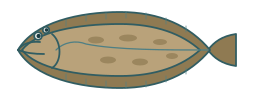
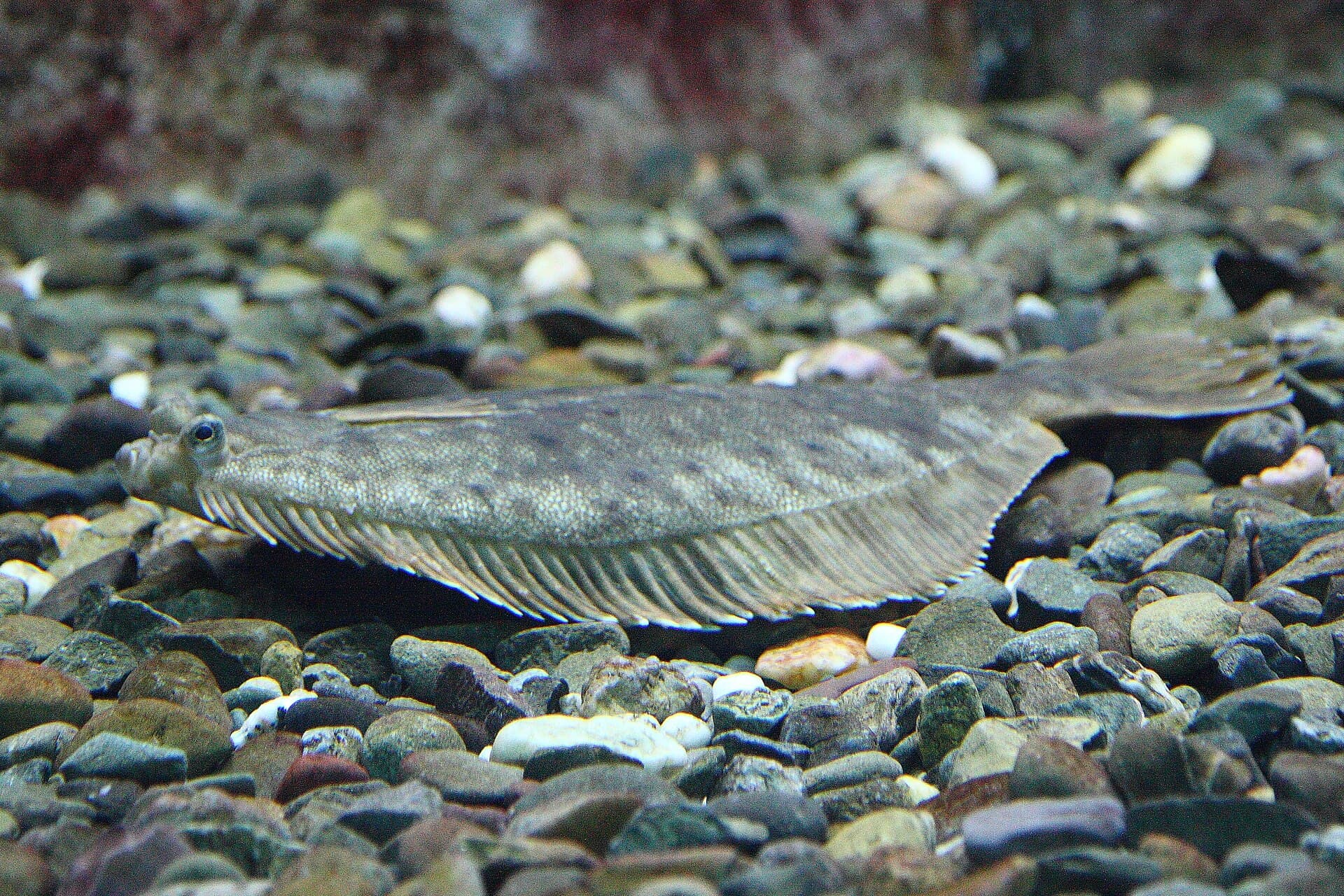
Halibut is the largest of the flatfish and Norway’s largest ray-finned fish.SourceFact from a specialist source · Applies to all regions1EncyclopediaStore norske leksikonkveiteAll sources on this page
Southern and Eastern Norway: present. It is prohibited to fish for halibut south of Stad.SourcesFact from a specialist source · Applies to all regions1EncyclopediaStore norske leksikonkveite2AuthorityFiskeridirektoratetFreda og delvis freda artarAll sources on this page
Western Norway: present. It is prohibited to fish for halibut south of Stad.SourcesFact from a specialist source · Applies to all regions1EncyclopediaStore norske leksikonkveite2AuthorityFiskeridirektoratetFreda og delvis freda artarAll sources on this page
Central Norway: present.SourceFact from a specialist source · Applies to all regions1EncyclopediaStore norske leksikonkveiteAll sources on this page
Northern Norway: present.SourceFact from a specialist source · Applies to all regions1EncyclopediaStore norske leksikonkveiteAll sources on this page
Found in
Bottom and open water
Best season
May–Nov
Methods
Bait fish, shad and jig
Rules checked
29 September 2026
Getting started
Your first try for Atlantic halibut
One recommended starting point: bait fish, shad and jig from a boat or from shore. More methods are listed under “How to fish”.
Alvestad uses a 7–8 foot rod of 30–40 lb in shallow water and a short stand-up rod of about 6 feet and 50 lb in deep water. Jakt & Fiske recommends 6–8 feet with a soft tip.SourcesTackle advice from a source of experience · Applies to all regions3ExperienceAsgeir AlvestadTips og triks for å fange kveite på stang7ExperienceJakt & FiskeKveitefiskets hemmeligheterAll sources on this page
Alvestad threaded a Gulp worm onto the hook of the shad, and believes the smell and taste made the difference between fish in the boat and just bites.SourceTackle advice from a source of experience · Applies to all regions3ExperienceAsgeir AlvestadTips og triks for å fange kveite på stangAll sources on this page
A length of heavier line between the main line and the bait, which withstands wear better.SourcesTackle advice from a source of experience · Applies to all regions8OrganisationNorges Jeger- og FiskerforbundSlik får du fisk i saltvann9ExperienceNormark Norway (elbe.no)Sjøfiske fra båtAll sources on this page
It is prohibited to fish for halibut south of Stad.SourcesFact from a specialist source · Applies to all regions1EncyclopediaStore norske leksikonkveite2AuthorityFiskeridirektoratetFreda og delvis freda artarAll sources on this page
Western NorwayPresent
It is prohibited to fish for halibut south of Stad.SourcesFact from a specialist source · Applies to all regions1EncyclopediaStore norske leksikonkveite2AuthorityFiskeridirektoratetFreda og delvis freda artarAll sources on this page
Central NorwayPresent
Møre og Romsdal and TrøndelagSourceFact from a specialist source · Applies to all regions1EncyclopediaStore norske leksikonkveiteAll sources on this page
Northern NorwayPresent
Nordland, Troms and FinnmarkSourceFact from a specialist source · Applies to all regions1EncyclopediaStore norske leksikonkveiteAll sources on this page
Alvestad uses a 7–8 foot rod of 30–40 lb in shallow water and a short stand-up rod of about 6 feet and 50 lb in deep water. Jakt & Fiske recommends 6–8 feet with a soft tip.SourcesTackle advice from a source of experience · Applies to all regions3ExperienceAsgeir AlvestadTips og triks for å fange kveite på stang7ExperienceJakt & FiskeKveitefiskets hemmeligheterAll sources on this page
Alvestad threaded a Gulp worm onto the hook of the shad, and believes the smell and taste made the difference between fish in the boat and just bites.SourceTackle advice from a source of experience · Applies to all regions3ExperienceAsgeir AlvestadTips og triks for å fange kveite på stangAll sources on this page
→North of StadNorth of Stad (62°N) it is prohibited to fish for halibut from 20 December to 20 April inclusive.SourceRule from the authorities · Applies to: North of Stad2AuthorityFiskeridirektoratetFreda og delvis freda artarAll sources on this page
Rules
Minimum sizes and closed seasons
Show rules for
Showing rules for the whole coast. Rules that apply to only part of the coast are labelled.Showing rules for Southern and Eastern Norway (Østfold to Agder (the Skagerrak coast)).Showing rules for Western Norway (Rogaland and Vestland, south of Stad).Showing rules for Central Norway (Møre og Romsdal and Trøndelag).Showing rules for Northern Norway (Nordland, Troms and Finnmark).
→South of StadIt is prohibited to fish for halibut south of Stad (62°N) all year round. The ban applies to all fishing gear.SourceRule from the authorities · Applies to: South of Stad2AuthorityFiskeridirektoratetFreda og delvis freda artarAll sources on this page
→North of StadNorth of Stad (62°N) it is prohibited to fish for halibut from 20 December to 20 April inclusive. The ban applies to all fishing gear.SourceRule from the authorities · Applies to: North of Stad2AuthorityFiskeridirektoratetFreda og delvis freda artarAll sources on this page
→The minimum size for halibut is 84 cm. Recreational fishers fishing for their own use do not need to weigh the halibut, because it is enough to stick to the minimum size in length.SourceRule from the authorities · Applies to all regions11AuthorityFiskeridirektoratetMinstemål i fritidsfiskeAll sources on this page
→All halibut over 2 metres, or headless halibut over 1.6 metres, must be released back into the sea. The requirement applies in all Norwegian waters and to all fishers, regardless of whether the halibut is viable, dying or dead. The reason is a high content of potentially dangerous contaminants.SourceRule from the authorities · Applies to all regions12AuthorityFiskeridirektoratetKveite: utkastpåbod og forbod mot fiskeAll sources on this page
→If you catch a fish under the minimum size, wet your hands, release the fish carefully and let it go. If the fish is dead or not viable, you may keep it.SourceRule from the authorities · Applies to all regions11AuthorityFiskeridirektoratetMinstemål i fritidsfiskeAll sources on this page
→It is prohibited to fish closer than 100 metres to fish farms.SourceRule from the authorities · Applies to all regions17AuthorityFiskeridirektoratetGenerelle reglarAll sources on this page
→It is not permitted to use live fish or other live animals as bait.SourceRule from the authorities · Applies to all regions17AuthorityFiskeridirektoratetGenerelle reglarAll sources on this page
→Northern NorwaySeparate local restrictions may apply, for example for the cod fishery in Lofoten.SourceRule from the authorities · Applies to: Northern Norway17AuthorityFiskeridirektoratetGenerelle reglarAll sources on this page
The rules are translated from Norwegian. Only the Norwegian text and the authorities’ own pages (in Norwegian) are authoritative. Check them before your trip.
Not checked: rules in national parks and other protected areas at sea and local rules adopted by the municipality. The regulations may change, so always check the current rules before your trip.
→The largest of the flatfish.SourceFact from a specialist source · Applies to all regions1EncyclopediaStore norske leksikonkveiteAll sources on this page
→The flesh and the skin on the blind side are usually snow white.SourceFact from a specialist source · Applies to all regions1EncyclopediaStore norske leksikonkveiteAll sources on this page
Size
→Halibut grow fast and become sexually mature at 8–10 years of age. After 14–15 years they are over two metres and can weigh over 100 kg. Individuals of nearly four metres and over 300 kg are known.SourceFact from a specialist source · Applies to all regions1EncyclopediaStore norske leksikonkveiteAll sources on this page
Diet
→Hunts actively for other fish, for example tusk and herring, but also eats squid (akkar), starfish and other bottom-dwelling organisms.SourceFact from a specialist source · Applies to all regions1EncyclopediaStore norske leksikonkveiteAll sources on this page
Life history
→Spawns in deep water on the fishing banks and in the deep fjords along the Norwegian coast. Spawning takes place near the bottom.SourceFact from a specialist source · Applies to all regions1EncyclopediaStore norske leksikonkveiteAll sources on this page
→Halibut are very sedentary and rarely move over large areas.SourceFact from a specialist source · Applies to all regions1EncyclopediaStore norske leksikonkveiteAll sources on this page
→Halibut tend to get high levels of environmental toxins in their flesh. It is therefore not recommended to eat the meat of large halibut.SourceFact from a specialist source · Applies to all regions1EncyclopediaStore norske leksikonkveiteAll sources on this page
The stock
→The Red List status in Norway is viable (LC), while the global status is endangered (EN).SourceFact from a specialist source · Applies to all regions1EncyclopediaStore norske leksikonkveiteAll sources on this page
→Halibut are easy to overfish. After halibut nets came into use from 1936, most of the old spawning halibut stock appeared to have been fished out already by 1938.SourceFact from a specialist source · Applies to all regions1EncyclopediaStore norske leksikonkveiteAll sources on this page
Experiences
Tips from people who have fished for Atlantic halibut
From other anglers
Loading tips …
Experiences from readers. They have been read through, but not checked against sources, and do not count towards the source requirement. You will find rules only in the rules section. Tips are shown in the language they were written in, usually Norwegian.
Share an experience
Have you caught Atlantic halibut? Tell us what worked for you.
Sources
What this page is based on
The numbers in the text refer to the sources below. Fishing tips must be confirmed by at least three independent sources. Read about our source requirements.